Many people believe that audiences dislike advertising. In reality, the issue is not advertising itself. The problem is how and when ads appear.
Users today are more informed and selective. They are open to discovering new products and services, but they expect a smooth and respectful experience. When ads interrupt that experience, frustration builds.
Understanding this difference is important for any brand that wants to succeed in digital marketing.
Understanding Modern User Behavior
Today’s users are active decision-makers. They choose what to watch, what to read, and what to ignore.
With constant exposure to content, attention has become limited. This means brands must work harder to earn engagement rather than demand it.
Users respond better to content that feels useful, relevant, and timely.
Why Interruptive Ads Create Negative Experiences
Interruptive ads appear without context. They break the flow of what the user is doing.
Common issues include:
- Ads that stop a video or reading experience
- Pop-ups that block content
- Irrelevant messages that do not match user intent
These experiences lead to frustration. Over time, users start associating that frustration with the brand itself.
This lack of understanding is why many campaigns fail, even when the product or service is strong.
The Difference Between Interruption and Relevance
An ad becomes effective when it aligns with the user’s current need.
For example, a user searching for healthcare solutions may find value in an ad related to medical services. In this case, the ad feels helpful.
The same ad shown at a random moment may feel unnecessary.
The difference lies in relevance and timing.
Strategies That Work in Modern Advertising
To create better results, brands need to focus on user experience.
1. Context-Based Advertising
Deliver ads that match the content the user is already engaging with. This improves both relevance and response.
2. Native Advertising
Design ads that blend naturally into the platform. These ads feel less disruptive and more engaging.
3. Right Timing
Place ads at moments where they do not interrupt the user’s primary activity.
4. Value-Focused Messaging
Highlight how the product or service solves a problem. Clear value increases trust and interest.
The Role of Data and Personalisation
Data plays a key role in improving ad performance.
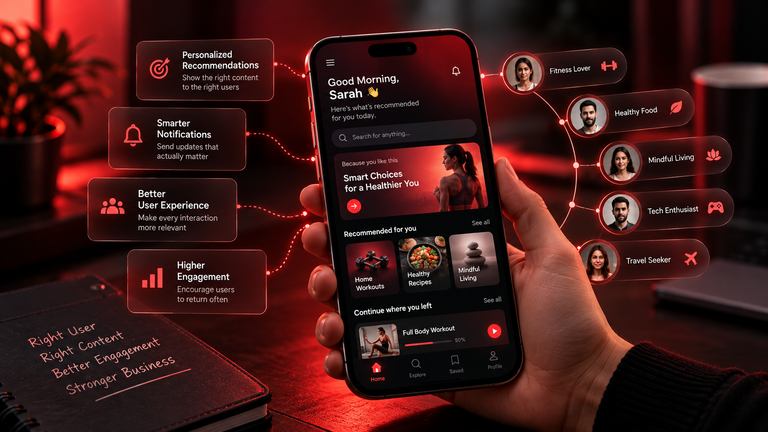
By analyzing user behavior, preferences, and search intent, brands can deliver more meaningful content.
Personalization should not increase the number of ads. It should improve the quality of ads shown.
When done correctly, ads become relevant suggestions rather than distractions.
Building Trust Through Better Advertising
Every interaction with a user shapes brand perception.
Relevant and well-timed ads create a positive experience. This builds trust over time.
On the other hand, repeated interruptions reduce credibility and push users away.
Brands that respect user experience are more likely to retain attention and loyalty.
The Future of Digital Advertising
Advertisers are focusing the future of advertising on experience.
Brands need to move from aggressive promotion to thoughtful communication.
Key focus areas include:
- Understanding user intent
- Delivering meaningful content
- Maintaining consistency across platforms
- Prioritising user experience
Success will depend on how well brands adapt to these expectations.
How Webfolks Supports Smarter Advertising
At Webfolks, the focus is on creating marketing strategies that align with modern user behavior.
Instead of interrupting audiences, Webfolks helps brands connect through relevance and value.
Services include:
- SEO-driven content creation
- Performance marketing strategies
- Audience research and insights
- Creative campaigns designed for engagement
The goal is simple. Deliver the right message to the right audience, at the right time.