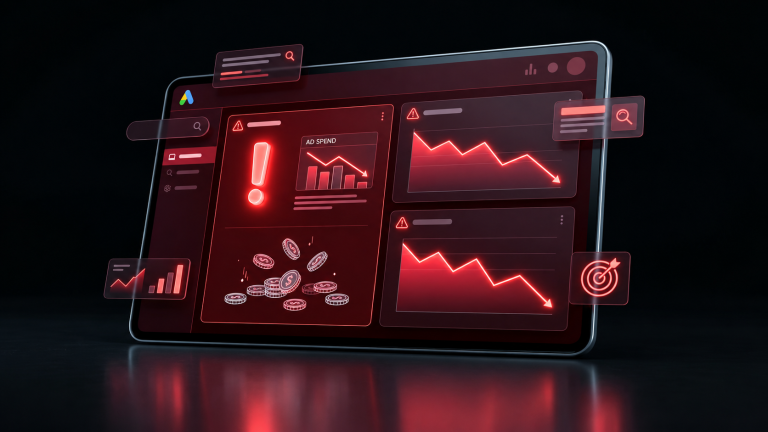
A user downloads your app, opens it once, and never comes back.
This is one of the biggest challenges businesses face today. Building a mobile app is easier than retaining users. With thousands of apps competing for attention, users quickly abandon experiences that feel generic or irrelevant.
This is where personalization makes a difference.
Modern users expect apps to understand their preferences. They want relevant recommendations, useful notifications, and experiences that feel tailored to their needs. When an app delivers that level of relevance, engagement naturally increases.
Why Generic Apps Struggle
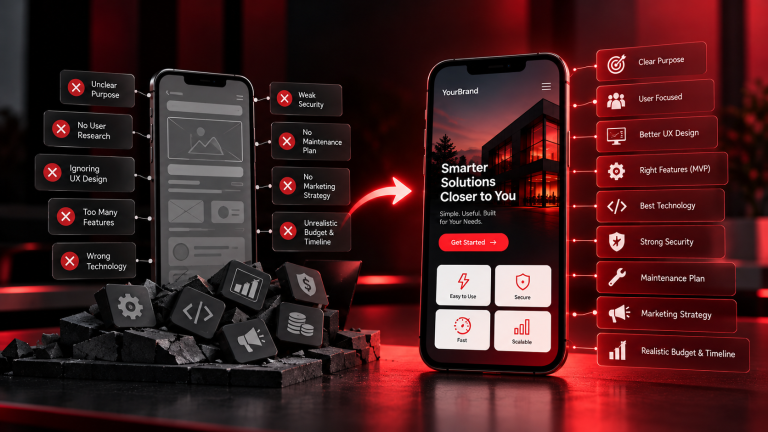
Many mobile apps offer the same experience to every user. While this approach may seem simple, it often leads to low engagement.
Think about how people use streaming platforms, online stores, or food delivery apps. Users rarely want to browse through endless options. They want the app to help them find what they are looking for quickly.
When an app fails to provide relevant content, users lose interest. Over time, they stop opening the app or remove it completely.
Personalization solves this problem by making every interaction more meaningful.
What Mobile App Personalization Actually Means
Personalization is the process of adapting an app’s content, features, and interactions based on user behavior and preferences.
Instead of treating every user the same, the app creates a more relevant experience for each individual.
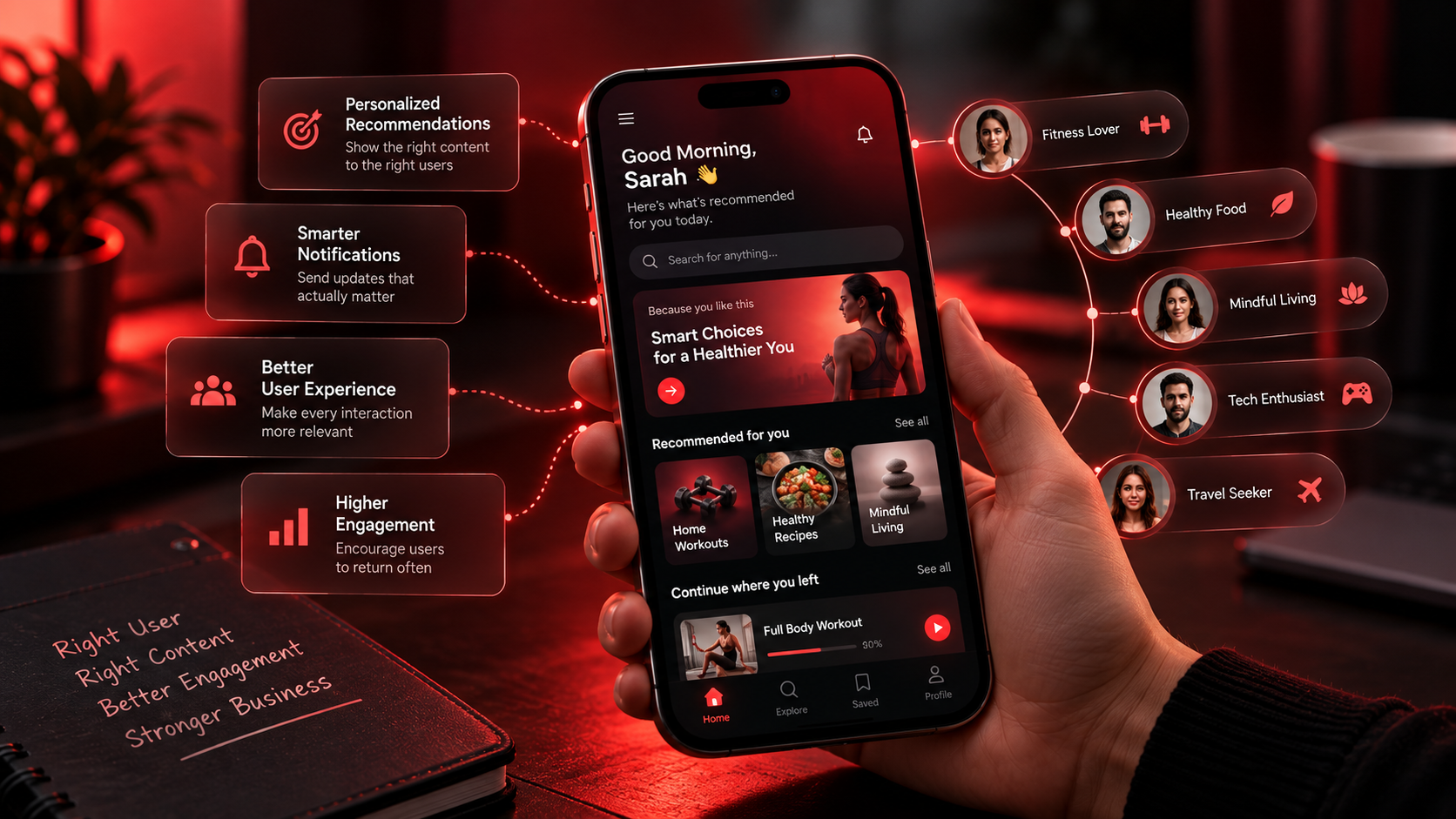
A fitness app may recommend workouts based on a user’s goals. An e-commerce app may showcase products similar to previous purchases. A news app may prioritize topics that a reader regularly follows.
The result is a smoother and more engaging user experience.
How Personalization Improves Engagement
- It Helps Users Find Value Faster
First impressions matter.
When users open an app for the first time, they should immediately see content that feels useful to them. Personalized onboarding and recommendations reduce the time users spend searching for relevant information.
The faster users find value, the more likely they are to continue using the app.
- It Encourages Repeat Usage
People return to apps that consistently provide relevant experiences.
Consider music streaming platforms. Their recommendation engines learn from listening habits and continuously suggest new content users may enjoy. This creates a reason to come back regularly.
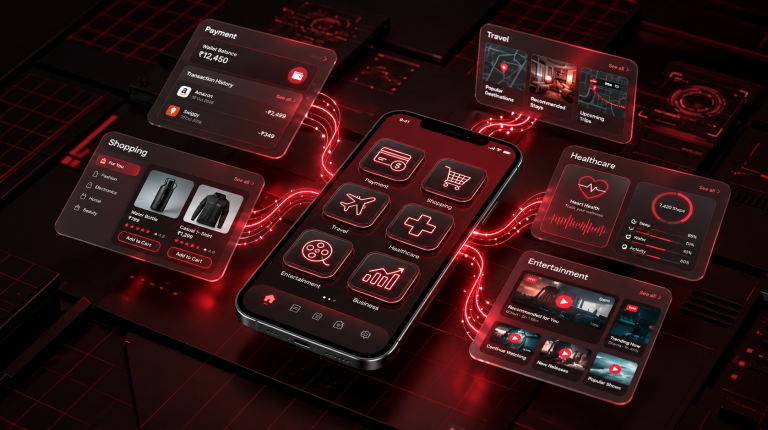
The same principle applies to business apps, shopping apps, healthcare apps, and educational platforms.
- It Makes Notifications More Useful
Push notifications can either increase engagement or drive users away.
Generic notifications often get ignored because they provide little value. Personalized notifications are different. They are based on user activity, interests, or previous interactions.
When users receive reminders, offers, or updates that genuinely matter to them, they are more likely to open the app and engage with it.
The Growing Role of AI
Artificial intelligence has made personalization more powerful than ever.
Modern AI systems can analyze large volumes of user data and identify patterns in behavior. This allows apps to predict what users may need before they actively search for it.
From product recommendations to customized content feeds, AI helps create experiences that feel intuitive and relevant.
As user expectations continue to evolve, AI-powered personalization is becoming a standard feature rather than a competitive advantage.
Finding the Right Balance
While personalization offers significant benefits, businesses should use it thoughtfully.
Users appreciate relevant experiences, but they also value privacy. Transparency about data collection and responsible use of information are essential.
The goal should be to make the experience more helpful, not intrusive.
Successful personalization feels natural. It supports users without making them feel monitored.
Conclusion
User engagement is one of the most important indicators of a mobile app’s success. In a crowded marketplace, generic experiences are no longer enough to keep users interested.
Personalization helps businesses create stronger connections by delivering relevant content, smarter recommendations, and more meaningful interactions. It improves retention, increases customer satisfaction, and encourages users to return more often.
For businesses investing in mobile app development, personalization is no longer an optional feature. It is a key part of creating an app that users genuinely want to keep using.
At Webfolks, we build mobile applications that combine intuitive design, intelligent functionality, and personalized user experiences to help businesses improve engagement and drive long-term growth.
Want your users to keep coming back?
Let Webfolks build a personalized mobile app designed to increase engagement and deliver measurable business results.