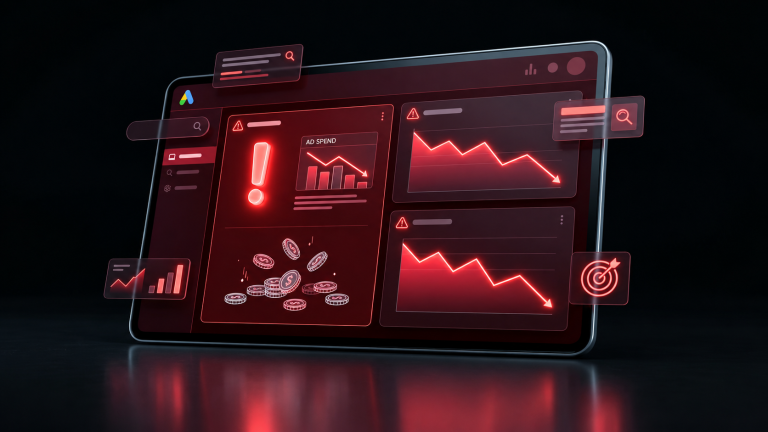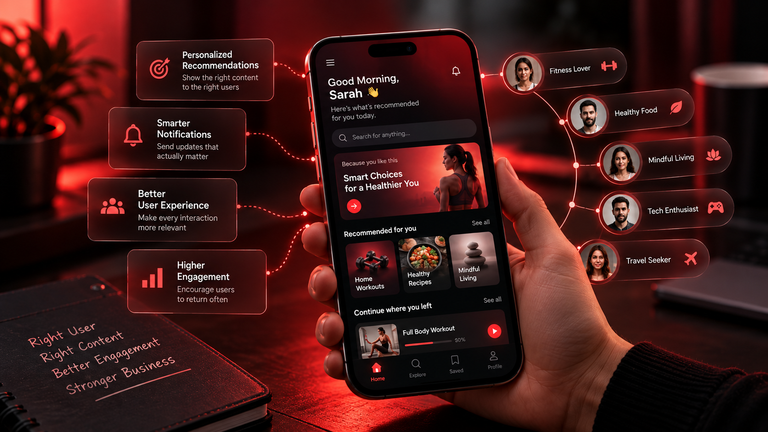
In today’s digital world, customer experience depends on more than just attractive design. A website or application may look modern and visually appealing, but if it performs poorly, users quickly lose interest. Slow loading speeds, failed transactions, login errors, and unexpected downtime can damage customer trust within seconds.
While most businesses focus on frontend design because it is the visible part of a platform, the real foundation of user experience lies in the backend system. The backend works silently behind the scenes, managing data, processing requests, maintaining security, and supporting every action users perform online.
When backend systems are weak or poorly optimized, the frontend experience suffers immediately. No matter how polished the interface may appear, customers remember how a platform performs more than how it looks.
Understanding the Role of Backend Systems
The backend is the operational core of a website or application. It handles server communication, databases, APIs, authentication systems, and application logic. Every customer interaction depends on the backend functioning correctly.
For example, when a user logs into an account, searches for a product, completes a payment, or submits a form, the backend processes the request and delivers the appropriate response. If the backend system is slow or unstable, these actions become delayed or fail.
Although customers never directly see the backend, they constantly experience its impact through the platform’s performance and reliability.
Slow Performance Reduces Customer Satisfaction
One of the most noticeable effects of poor backend systems is slow performance. Modern users expect websites and applications to load quickly and respond instantly. Even short delays can create frustration and increase bounce rates.
Backend issues often cause:
- Slow page loading
- Delayed search results
- Lag during navigation
- Long checkout processes
- Unresponsive application screens
Customers associate these delays with poor service quality. In competitive markets, users rarely wait for platforms that fail to perform efficiently. Instead, they move to faster alternatives.
Website speed is no longer just a technical factor. It is a direct part of the customer experience.
Technical Errors Affect Brand Credibility
Poor backend management can also lead to frequent technical issues. Failed logins, broken forms, payment errors, and missing information are common signs of backend instability.
When customers repeatedly face these problems, they begin to question the reliability of the business itself. A visually attractive website cannot compensate for functionality issues that interrupt the user journey.
For industries such as e-commerce, healthcare, and finance, backend reliability becomes even more important because users are sharing sensitive information and completing important transactions online.
Reducing technical errors is essential for maintaining customer confidence and creating a seamless digital experience.
Downtime Creates Negative User Experiences
Frequent downtime is another major consequence of weak backend infrastructure. If servers crash or systems become unavailable, customers lose access to services when they need them most.
This can lead to:
- Interrupted purchases
- Lost business opportunities
- Increased customer complaints
- Reduced trust in the platform
Customers expect websites and applications to remain accessible at all times. Even temporary downtime can create frustration, especially for businesses that rely heavily on digital operations.
Reliable backend systems help maintain consistent availability and ensure uninterrupted customer experiences.
Security Weaknesses Damage Customer Trust
Backend systems are responsible for protecting customer data and maintaining digital security. Weak backend infrastructure can expose businesses to cyber threats, data breaches, and unauthorized access.
Customers trust businesses with personal information such as names, contact details, passwords, and payment data. If security measures are inadequate, the consequences can be serious for both businesses and users.
Strong backend systems support:
- Secure authentication
- Data encryption
- Access control
- Threat monitoring
- Safe data storage
Today, customers value security as much as convenience. Businesses that prioritize backend security are more likely to build long-term trust and credibility.
Scalability Challenges Affect Growth
As businesses grow, digital platforms must handle increasing traffic, larger databases, and more complex operations. Poor backend systems often struggle to manage this growth efficiently.
During periods of high demand, such as product launches or marketing campaigns, weak backend infrastructure may slow down or fail. Customers may experience delayed transactions, app crashes, or interrupted sessions.
Scalable backend systems allow businesses to grow without affecting performance or user experience. This is essential for maintaining operational stability and customer satisfaction over time.
Mobile Experience Depends on Backend Performance
Mobile responsiveness is important, but backend performance also plays a critical role in mobile user experience. A poorly optimized backend can lead to slow app loading, failed synchronization, delayed notifications, and interrupted functionality on mobile devices.
Since mobile users expect fast and smooth interactions, backend efficiency becomes even more important across smartphones and tablets.
Businesses that invest in backend optimization can deliver consistent experiences across all devices and platforms.
The Importance of Balancing Frontend and Backend Development
Many businesses invest heavily in frontend design because it directly affects visual appeal. However, frontend and backend systems must work together to create successful digital experiences.
An attractive interface may capture attention initially, but performance, reliability, and security are what keep customers engaged.
A strong frontend improves usability.
A strong backend ensures functionality.
Both are essential for long-term digital success.
Conclusion
Customers may never directly interact with backend systems, but they experience the results of backend performance every time they use a website or application. Slow loading speeds, technical errors, downtime, and security concerns often originate from backend issues that affect the entire customer journey.
Businesses that want to deliver reliable and professional digital experiences must prioritize backend development alongside frontend design. Strong backend systems help improve speed, stability, scalability, and customer trust.
At Webfolks, we help businesses build reliable digital solutions with strong backend infrastructure, scalable web development, and performance-focused technology services designed to create smoother customer experiences and support long-term business growth.