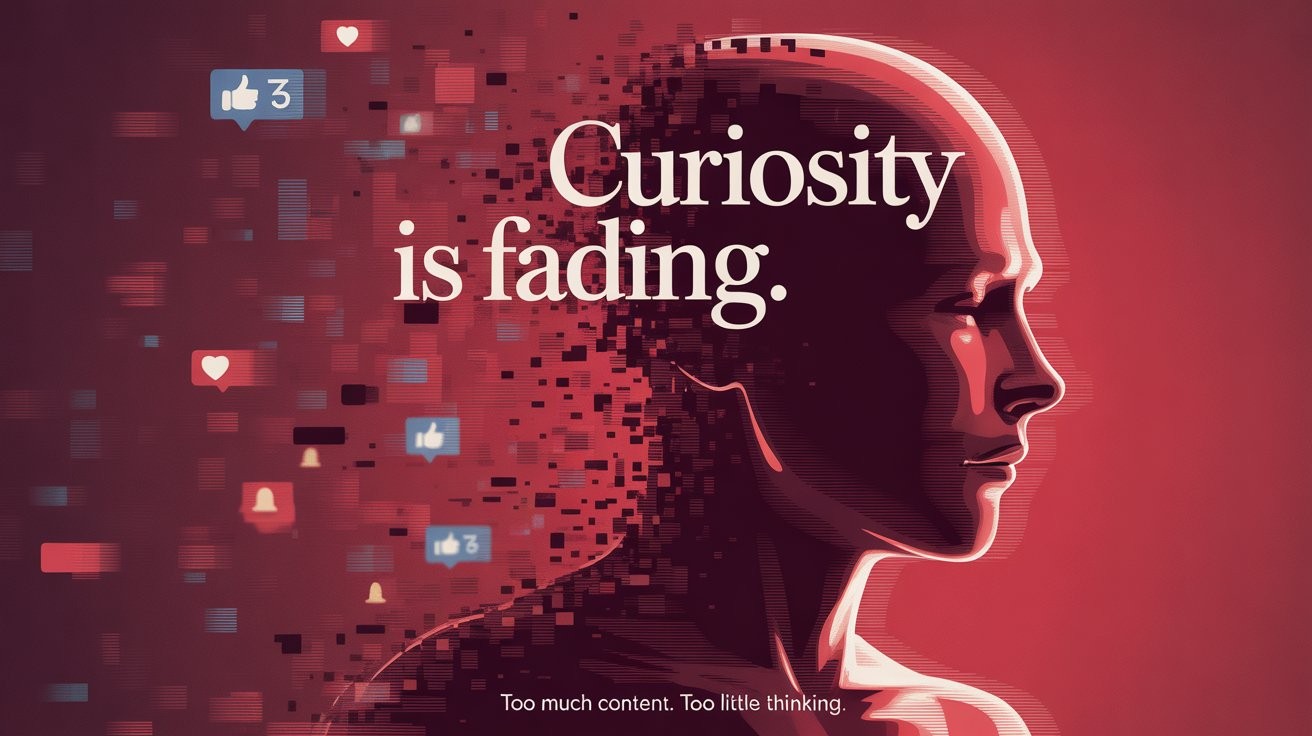
Curiosity used to be a quiet force. It made people pause, ask questions, and go deeper into what they saw or heard. Today, that behavior is changing. We live in a scroll culture where content moves fast, and attention moves even faster. The result is simple. Curiosity is slowly fading.
The Rise Of Scroll Culture
Scroll culture is built on speed. Social media platforms are designed to keep users moving from one post to the next without stopping. There is always something new to see. A video, a reel, a meme, or a headline. This constant flow trains the brain to consume quickly rather than think deeply.
From Deep Thinking to Quick Consumption
Earlier, people would read an article and reflect on it. Now, most users only read the first few lines or watch a few seconds of a video. If it does not grab attention instantly, they move on. This habit reduces the time spent on understanding content. Over time, it also reduces the desire to explore more.
Content Overload and Mental Fatigue
Another reason for this shift is content overload. There is too much information available at any moment. When everything feels important, nothing truly stands out. Users stop asking questions because they are already overwhelmed. Instead of curiosity, they develop a habit of passive consumption.
How Algorithms Shape What We See
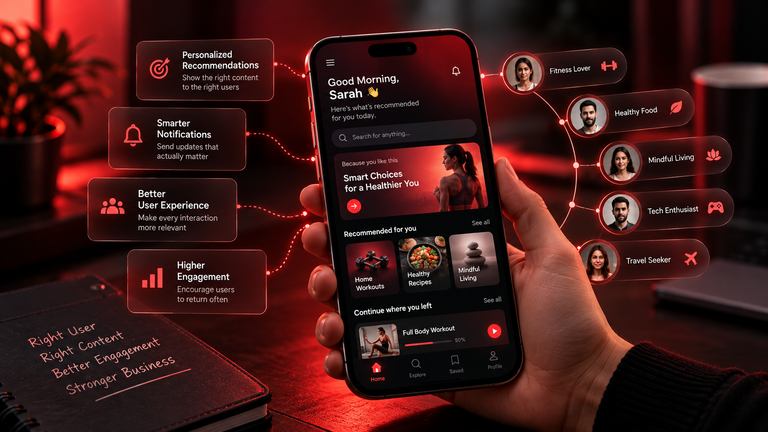
Algorithms also play a big role. They show users content similar to what they have already seen. This creates a loop. People keep seeing the same ideas, opinions, and formats. When there is no exposure to new perspectives, curiosity naturally drops. There is nothing new to explore.
The Impact of Short-Form Content
Short-form content is quick, engaging, and easy to consume. But it often lacks depth. It gives answers without encouraging questions. When users get used to this format, they lose interest in longer and more detailed content. They want information instantly, without effort.
Why This Matters for Brands
This shift affects not just users, but also brands and businesses. Content is no longer competing on quality alone. It is competing for attention. Many brands focus only on making content that stops the scroll. While this works in the short term, it does not build lasting engagement.
The Value of Curiosity in Engagement
Curiosity is important for meaningful connections. When people are curious, they spend more time with content. They explore, learn, and remember. Without curiosity, engagement becomes shallow. A like or a quick view does not translate into trust or loyalty.
How Brands Can Bring Curiosity Back
1. Create Content That Invites Thinking
Ask questions. Present ideas that make users pause. Do not give everything away in the first second. Leave room for exploration.
2. Focus on Storytelling
Stories naturally build curiosity. They create a flow that keeps people engaged. A compelling story makes users want to know what happens next.
3. Balance Short and Long Content
Short content can attract attention, but long content builds understanding. Use both in the right way.
4. Introduce Fresh Perspectives
Do not repeat the same ideas. Bring in new angles, insights, and formats. This keeps content engaging and breaks repetitive patterns.
5. Respect the Audience’s Time
Do not create content just for visibility. Create content that adds value. When users feel their time is well spent, they are more likely to stay and explore.
The Role of Strategy in Modern Content
This is where a strategic approach matters.
At Webfolks, the focus is not just on creating content that performs but on creating content that connects. The goal is to move beyond scroll-stopping and build real engagement.
We combine content strategy, performance marketing, and user behavior insights to create campaigns that spark curiosity. Instead of chasing trends blindly, the approach is to understand the audience and deliver meaningful content.
From SEO-driven blogs to social media campaigns, every piece of content aims to do more than just attract clicks. It is built to hold attention, encourage interaction, and create lasting impact.
Conclusion: Curiosity as a Competitive Advantage
In a world where attention is limited, curiosity gives you a powerful advantage. Brands that can bring it back will stand out.
Scroll culture is not going away. But the way we create content within it can change. Instead of feeding passive consumption, we can design experiences that make people think, feel, and explore.
And that is where real growth begins.